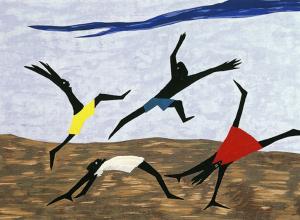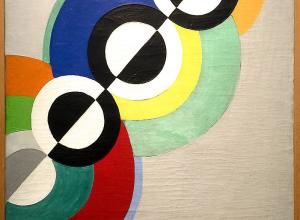


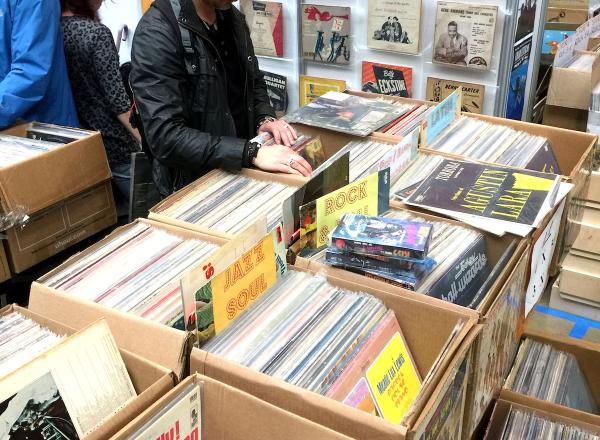
One of the joys of spending time in a record store is not knowing what to choose. For those who go in “just to have a browse,” the risk is to spend hours flipping through countless records. Yet, the quest might end when your eyes get caught by an image, a design, or a color on one of the covers. The art created for record covers is revelatory: it presents the artist, their music, and the ideas behind that particular album.
Interviews & Essays

By the time the British Museum’s doors opened to ticket holders for a lecture on Ancient Israel and Judah on June 11, the event had already been postponed once and embroiled in a fierce debate over institutional barriers to free speech.
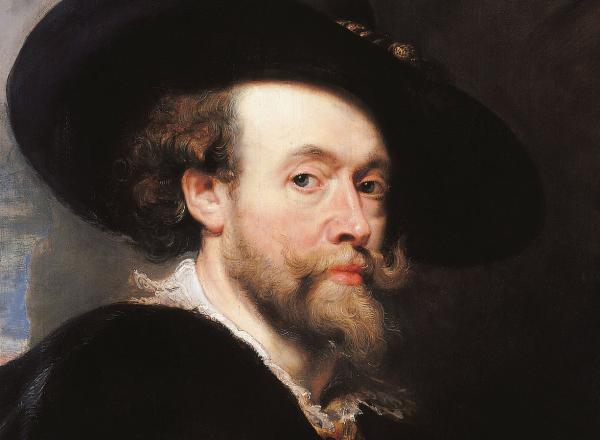
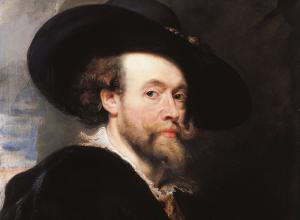
Categorized as an Old Master within the canon of art history, Sir Peter Paul Rubens' work is characterized by a high concentration of color, movement, and form. Surpassing visual dynamism, many of his masterpieces aptly convey key socio-religious conflicts of the period.

The backroom work of conservation is increasingly becoming a form of public engagement and education at museums that have turned the restoration of their greatest works into forms of theater. Conservators lean in with swabs of cotton and tiny brushes to restore paintings inch by inch, while museumgoers peer through plexiglass as if at the zoo.
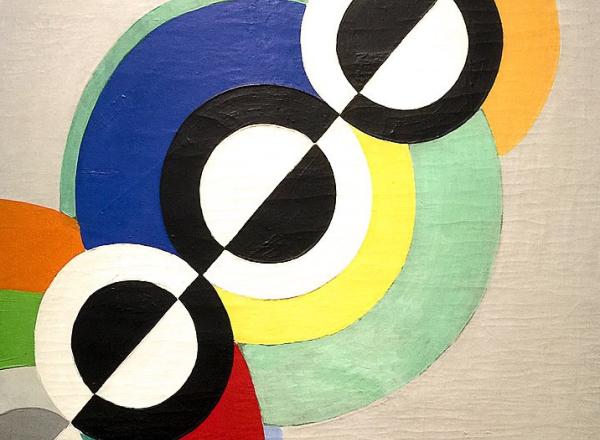
Orphism seemed to stem from Cubism, in part, because it shared the desire to break down solid objects and challenge human perceptions of time, space, and volume. And yet, this “offshoot” of Cubism specifically placed color and lyricism at center stage.

What is a studio? We might wonder, as we examine how and where James Hyde conceives and produces his probing and various artworks. When it comes to the Brooklyn-based artist’s recent work, the path to a completed painting runs from the studio through the museum and back again.

Deeply intertwined, fear and courage have traveled together across the centuries through artwork. Art shows believers the rewards and punishments of the afterlife, reminds us of the brevity of life, and leads us by example through the vicissitudes of heroines such as Joan of Arc.

The 61st Venice Biennale, which opened May 9 and will run through November 22, was shadowed even before its five-person jury resigned nine days before the opening in protest of the participation of countries currently under investigation by the International Criminal Court for human rights abuses.

It is one of the most indelible images of modern warfare: Five Vietnamese children run toward the camera, their faces contorted by pain and fear. Dark clouds of smoke hover in the background, as soldiers and combat photographers walk down the highway. The central figure is a 9-year-old girl, her naked, scrawny body burned by the napalm dropped by South Vietnamese forces that mistook the inhabitants of the village of Trang Bang for Vietcong.
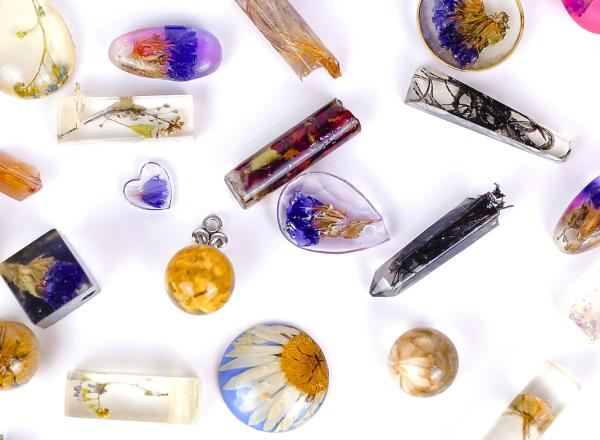
Resin art has experienced a burst in popularity within the last few years, but what exactly is this miracle material, and is there a catch? Resin by itself is a viscous, flammable substance that can be either organic or synthetic. Most artists prefer epoxy resin, a synthetic type patented in the early 1930s.