


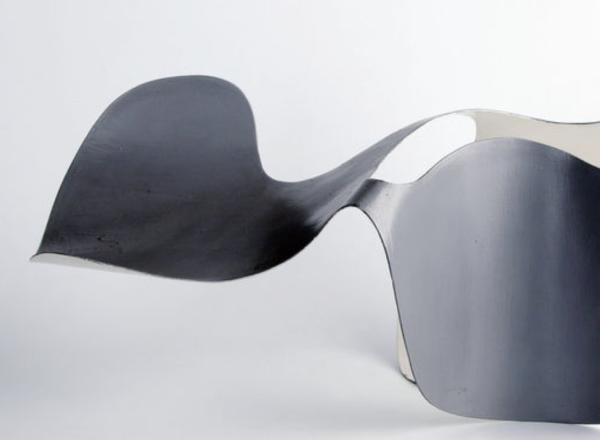
Although she is widely seen as one of art history’s most important sculptors, many of Katarzyna Kobro’s (1898-1951) works are no longer extant. This is especially true of her earliest artworks. The loss is a real tragedy as she and her work have been called innovative, brave, and influential. Fortunately, other kinds of records do still exist for many of these artworks.
Latest Art News
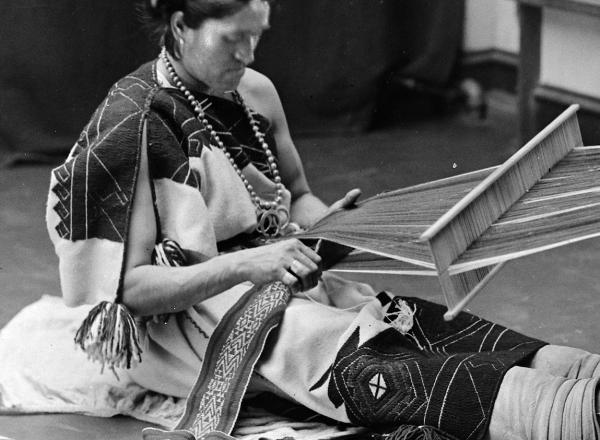
Perhaps the most famous nineteenth-century Indigenous Łamana or Two-Spirit historical figure, the late We:wa was a Zuni artisan, diplomat, spiritual leader, and humanitarian. As such, they made great contributions to the protection and proliferation of Zuni culture.
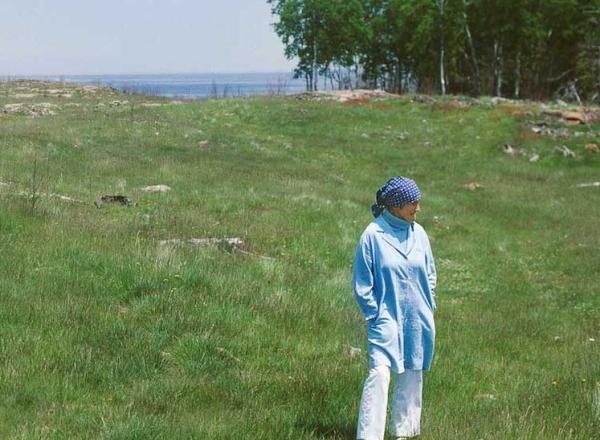
On a rugged group of islands off the coast of Maine, Betsy Wyeth (1921-2020) created a world that nurtured the talent of her husband, American realist painter Andrew Wyeth (1917-2009), and their artist son Jamie (b.1946).
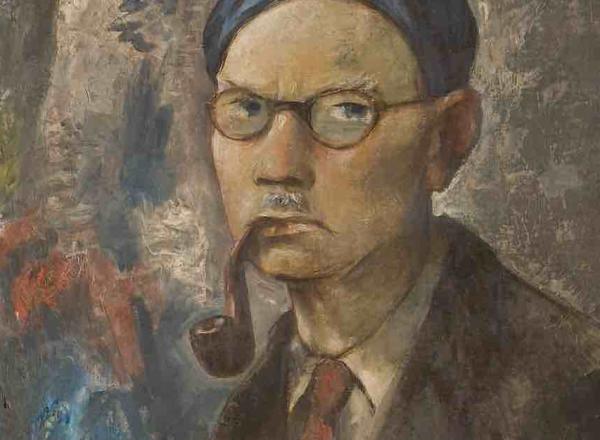
B.J.O. Nordfeldt: American Internationalist, on view at the Weisman Art Museum, features work from WAM and fifteen museum and private collections, including the Metropolitan Museum of Art, The Hirshhorn Museum, and the University of New Mexico Art Museum. The exhibition also highlights an artist whose family played a small but important role in shaping the institution that WAM is today.
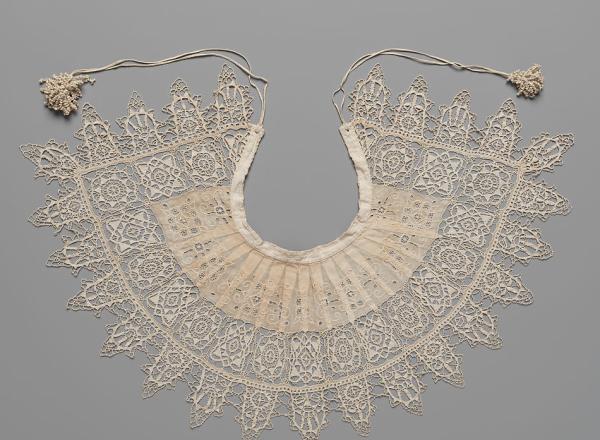
While much of modern lace is loomed by machine, until the mid-nineteenth century, the art of lacemaking was a painstaking and time-consuming craft produced predominantly by women. Despite being a product of a domestic pastime, lace ruled both fashion and international markets for centuries. Flourishing trade and boosting economies, lace was highly sought after by monarchs, clergy, and the working class. Through the study of its inception, tools, and techniques, this article presents a brief history of lace and its unknown makers.
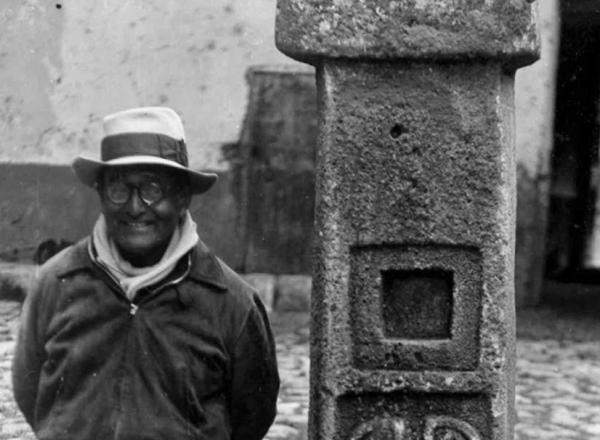
The Chavín are perhaps best known for their peculiar artistic style and iconography—one that depicts amalgamations of humans, plants, and animals in tortuous and stylized forms that act as both a puzzle for the viewer and a detailed map of the cosmological and spiritual ideologies of the Chavín.
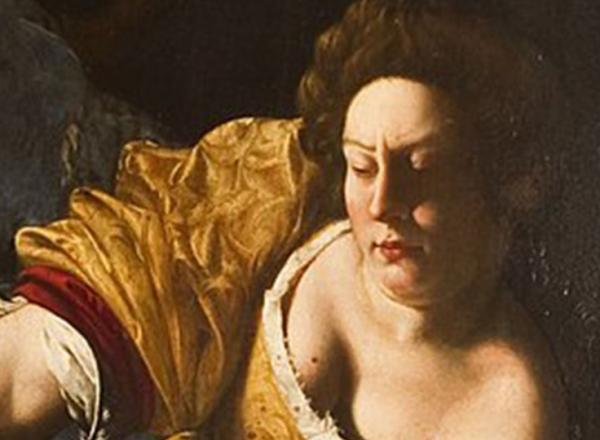
Gentileschi’s Judith stands out because it shows the act of a woman forcefully decapitating a man. One could argue that any depiction of this tale is inherently violent. And yet, many believe Gentileschi’s deliberate inclusion of female brutality sends a feminist message that is absent from other iterations.
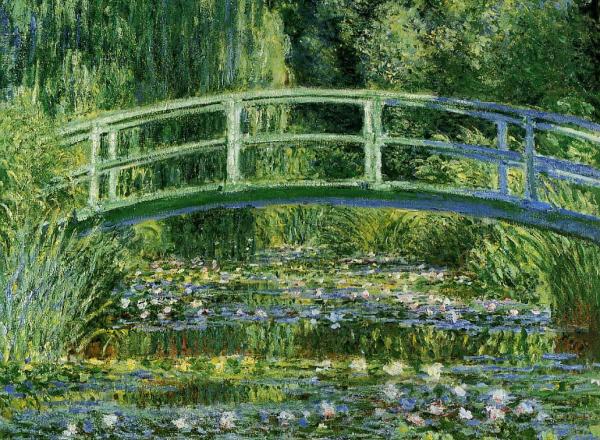
Monet was a master painter whose works are synonymous with the Impressionist movement he helped found. An avid experimenter, he was known for painting the same subjects over and over, drawing inspiration from the unique qualities of color and light he observed each time he sat down to paint.
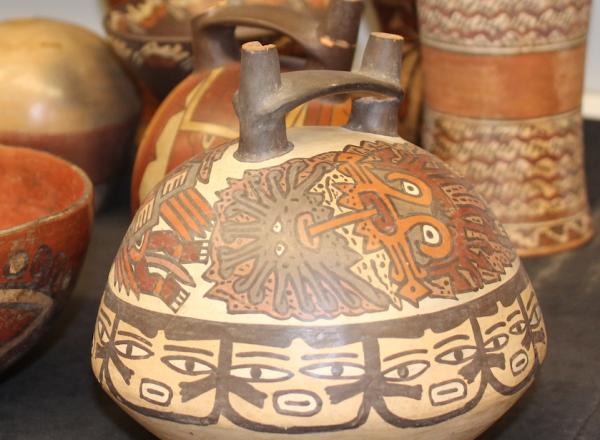
Archeologist gives inside look at their research process & unpacks discoveries. When one hears the name "Nasca,"* the first thing that comes to mind is probably the monumental geoglyphs of the Peruvian desert, but if you visit a museum in search of Nasca art, you’ll find incredibly detailed and colorful fine ware ceramic vessels.

On May 18, Art & Object will launch its first virtual art fair. The first of many vFairs to come, this premier installment—a Contemporary Art show that promises to embody the art world’s cutting edge—will feature top emerging artists.