


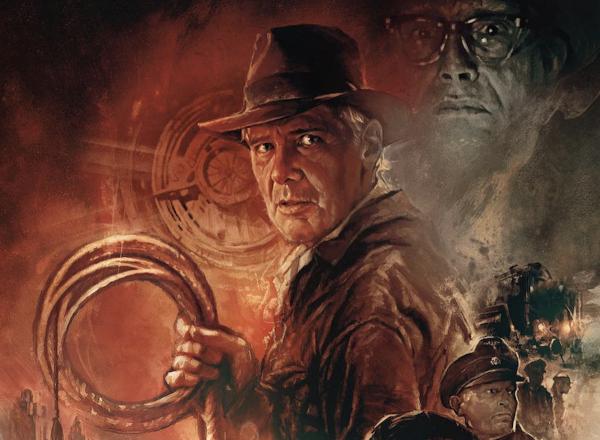
This year’s Indiana Jones and the Dial of Destiny finds Harrison Ford in his final adventure as the legendary archaeologist, Indiana Jones. In the film, Jones and his goddaughter race to find the missing half of Archimedes’ Dial, a device that enables time travel, before a Nazi scientist can use the dial to change the outcome of WW2.
Interviews & Essays
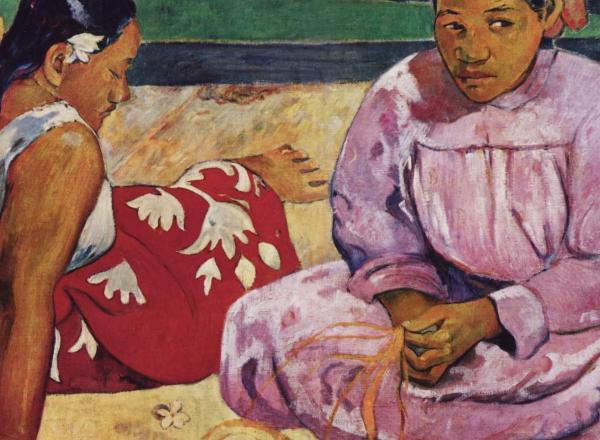
Many modern audiences, upon learning about the intricacies of Paul Gauguin’s life, adopt a distaste for him as a person. Even so, between bouts of deplorable behavior, Gauguin created art that many experts consider important to the art-historical timeline.
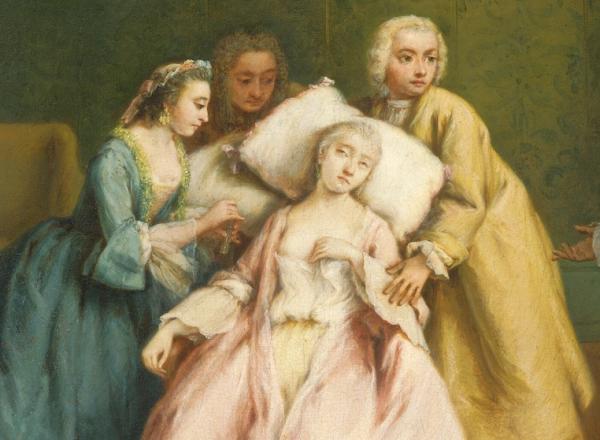
Documentation of art-induced fainting episodes dates back to the nineteenth century; the most famous account is that of French author Marie-Henri Beyle (1783–1842), whose pen name was Stendhal.

Jeff Koons discusses how Marcel Duchamp liberates artists from materiality, allowing them to pursue pure ideas.
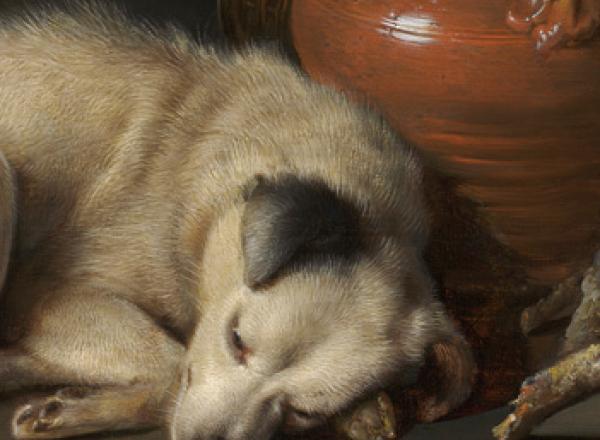
The term zoomorphism, when applied to art, can mean any object that uses animals as a visual motif.
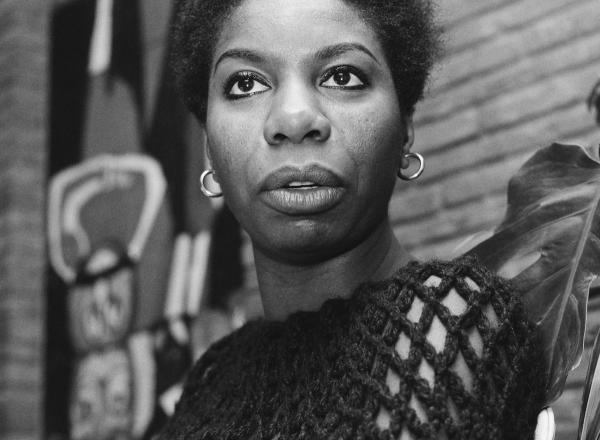
This past Satuday, Pace Gallery held a Benefit Gala to support the Nina Simone Childhood Home Benefit Auction co-hosted by tennis champion Venus Williams and artist Adam Pendelton.
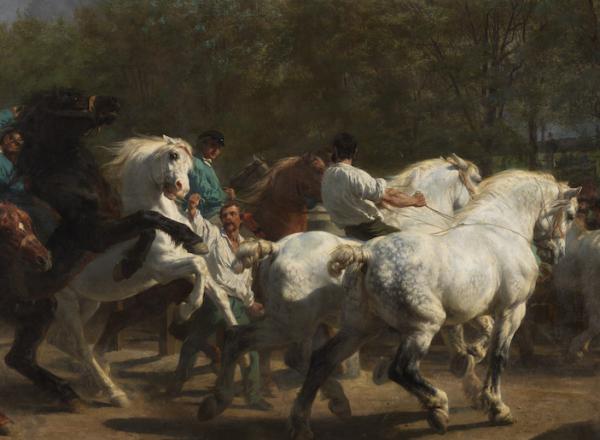
Bonheur put a year and a half into location-based preparatory sketching for "The Horse Fair" and pulled from a number of unique masterworks to find inspiration for the final product. Unsurprisingly, it immediately drew praise upon its showing at the Salon of 1853.
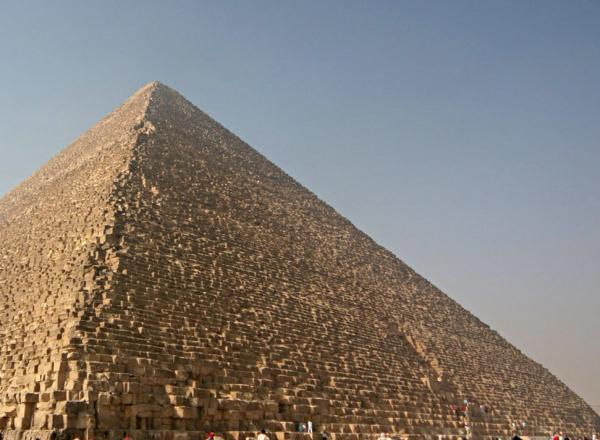
The Seven Wonders of the Ancient World are legendary sculptural and architectural splendors as well as historic testaments to human ingenuity and accomplishment. First century BCE Greek historian Diodorus Siculus wrote the first known list of wonders, starting the trend of creating lists of must-see places for Hellenistic tourists.
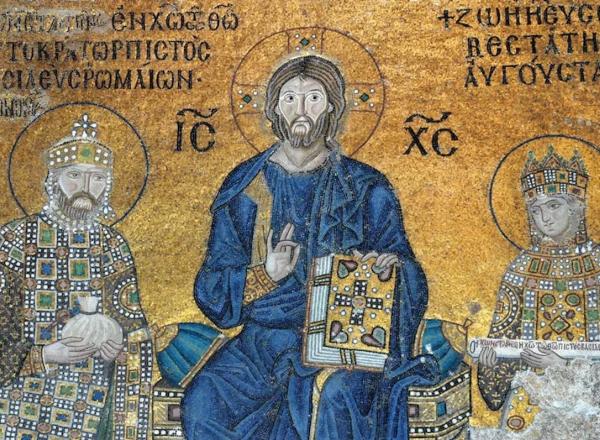
The popular imagination often dismisses Byzantium’s aesthetic as a static, even regressive contrast to classical technique. Sumptuous and flattened, Byzantine methods abhorred naturalism, and designed art as they did their empire (330 to 1453 CE): as an earthly mirror of Christian heaven. However, this stylization endowed art from the Eastern Roman empire—particularly mosaics—with a politicizing contemporaneousness.
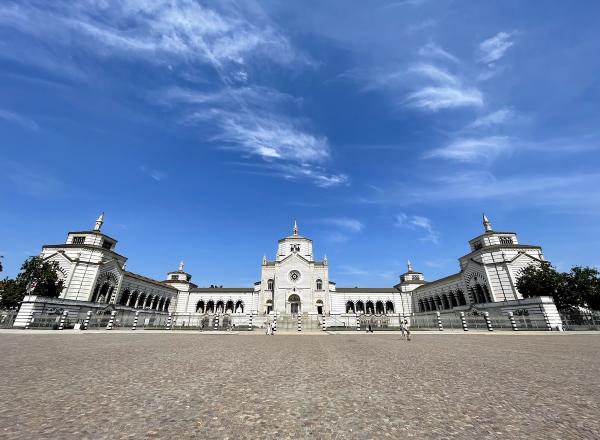
The monumental cemetery of Milan (Cimitero Monumentale) is among the famous and iconic monuments of Milan, such as the Duomo with its spectacular spires reaching up into the sky, or the imposing Castello Sforzesco with its majestic towers.